Fraud Blocker Skip to main content
Category

Plumbing and Air Conditioning Dallas TX

Type of Heater Has the Lowest Emissions

Which Type of Heater Has the Lowest Emissions?

By Plumbing and Air Conditioning Dallas TX

While Frisco certainly has less demand for home heating than many other areas in the USA, houses here still need a reliable heat source during the winter months. In general, heating costs can account for around 30% of utility bills on average. That means a lot of energy is used to heat your home, and that energy has to come from somewhere.

While there are many different types of heaters today, chances are your Frisco home uses either a gas furnace or electric heat. Both have their upsides and downsides, and it isn’t always obvious which is best for your home. There’s more to consider than one might think when it comes to emissions.

How Your Home’s Heating System Works

While heating systems all work towards a common goal, they accomplish it differently. If you have gas heating in your home, you’ll have either a furnace or a boiler. These two appliances serve the same purpose in different ways, with both making it possible to circulate heat throughout your home.

A furnace exchanges heat from burning gas to air that flows through heat exchangers in the furnace. This heated air is then directed through the ductwork in your home, providing warmth throughout.

A boiler, on the other hand, heats the water. This heated water then circulates through pipes running through your walls. While the distribution method is different, both solutions rely on burning natural gas to heat your home.

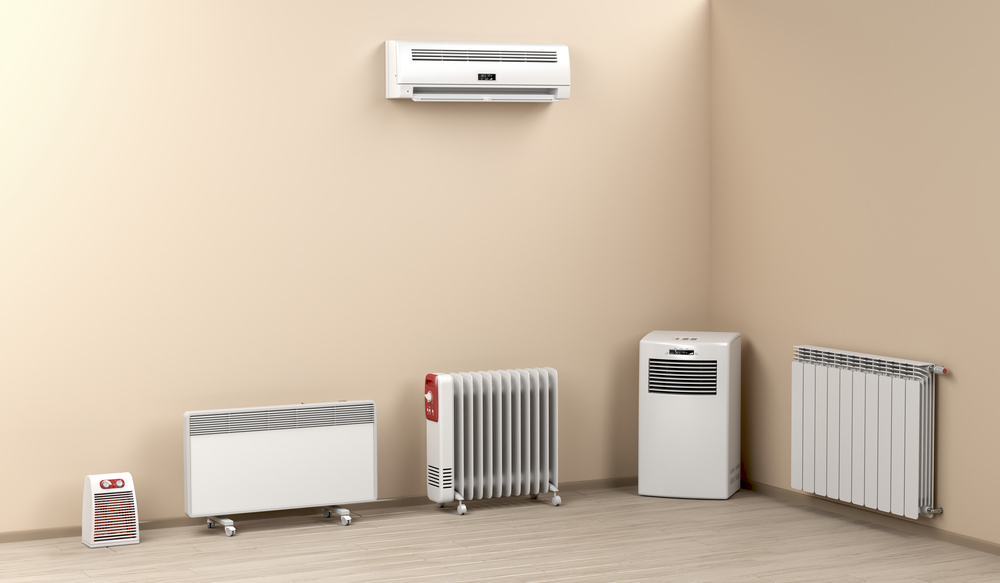
Electric heating is different, relying on electricity to heat your home. In some cases, an electric boiler can distribute heat as a gas boiler does. In other cases, a home might rely on electric baseboard heaters. These contain thin wires that heat up and directly heat the air in the room, working on the same principle that lets a toaster generate heat.

Emissions from Your Home’s Furnace

The fuel burned in your furnace is natural gas, also known as methane. This abundant resource is relatively easy to handle, being distributed through pipelines. Of course, this means it’s only an option in regions that have natural gas pipeline networks. However, its low cost has led to gas networks being everywhere.

Natural gas does create emissions. It doesn’t simply disappear when burned. It makes combustion products that must be released into the atmosphere. Like any other fuel source, the carbon in natural gas is turned into carbon monoxide and carbon dioxide when burned.

While carbon dioxide emissions are a primary concern for being environmentally unfriendly, natural gas doesn’t cause many other emissions. 

Fuels like oil, diesel, gasoline, and even wood have chemicals that lead to sulfur and nitrogen compound emissions. Natural gas, on the other hand, produces essentially just carbon monoxide and carbon dioxide.

While natural gas is in many ways a better option when it comes to the environment, it is still consuming resources and putting carbon monoxide and carbon dioxide into the air. In theory, a solution that provides heating without the need to extract natural gas or other fossil fuels would be much better, but can that theory be put into action today?

The Problem with Electric Heaters

You might think that an electric heater produces zero emissions at a casual glance. The baseboard heaters or electric boilers in your home aren’t giving off carbon monoxide or carbon dioxide or any other emissions, but there’s far more to consider than what’s going on in your home.

The electricity that you use to heat your home comes from somewhere. It has to be generated at some kind of power plant. To accurately measure the emissions from electrical heaters, we need to look at the generating stations that produce the electricity.

While renewable energy production is on the rise, electricity in the USA is still derived mainly from fossil fuels. In fact, one-third of US electricity is generated from burning coal, producing carbon dioxide and a wide variety of other harmful emissions.

Over two-thirds of electricity is generated by burning fossil fuels in general, including natural gas, oil, and coal. What this means is that, despite not producing any emissions in your own home, your electric heaters are still contributing to overall emissions.

It’s also important to consider the waste generated by all of the extra steps required for electrical heating. While a gas furnace simply burns gas and transfers the heat to air inside your home, electrical heat relies on electrical transmission systems and the initial generation of electricity.

Essentially, the process turns fuel into heat into electricity and then back into heat, adding another potential step where energy loss can occur. While a move towards an electrical grid that relies less on fossil fuels and more on renewable resources could see the net emissions from electrical power improve, this simply hasn’t happened yet.

Other Methods that Really Can Reduce Your Heating Emissions

While switching from a gas furnace to an electric heater probably isn’t going to improve emissions, there are some innovative steps that you can take to reduce emissions. In fact, simply improving the efficiency of your furnace helps in the long run. If you have an older furnace, newer models work more efficiently and reduce your overall emissions.

People interested in truly optimizing their emissions can look into geothermal heating. This approach involves burying pipes underneath the ground to take advantage of the steady temperature there.

During the winter, it’s warmer underground than above ground, and it’s cooler underground in the summer. Geothermal heating lets you take advantage of that difference to pre-heat or pre-cool your HVAC intake air.

Active solar heating is another method to reduce heating emissions. Basically, a fluid runs through flat-plate collectors on your roof, absorbing heat from sunlight and transferring it inside, more efficiently gathering heat than electric solar panels.

Making Your Furnace or Heater as Efficient as Possible

Of course, you don’t need to undergo some significant installation to reduce your emissions right away. Instead, you can reach out to Sirius Plumbing and Air Conditioning for a heating system tune-up in Frisco.

No matter what type of heating system you use, the increased efficiency that a tune-up provides translates into less power used and fewer emissions generated, so give us a call today.
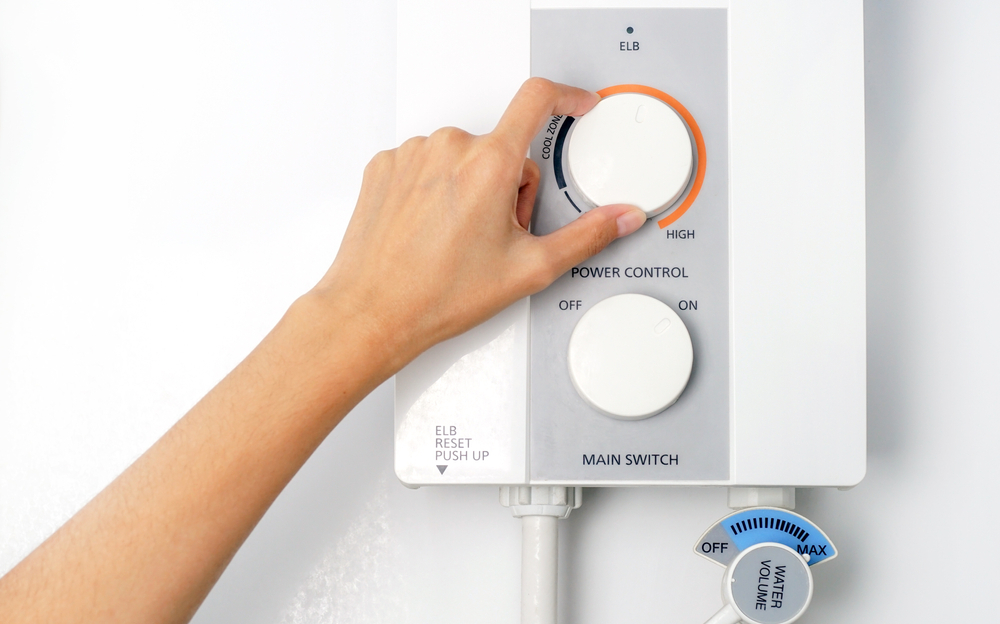
Hot Water Comes Out Cloudy

What Does It Mean When Hot Water Comes Out Cloudy?

By Plumbing and Air Conditioning Dallas TX

There’s nothing like pouring a nice clear glass of water, but what if the water is not as clear as you’d hoped? Cloudy water is not an uncommon occurrence, especially if it’s hot water. 

Since it’s the hot water that’s mainly affected, you may blame the water heater first, and although the water heater may be to blame, there are also other possibilities. Read on to find out what causes cloudy water and some simple ways to fix it.

What Causes Cloudy Water?

Water molecules consist of hydrogen and oxygen. When heated, they expand. During expansion, other molecules and smaller particles are trapped, which causes the water to look cloudy. Essentially, bubbles created during the expansion are what cause the cloudy look. So why doesn’t the water always look cloudy? Pressure.

The buildup – and sudden release – of pressure is what causes the separation of molecules, which in turn creates bubbles. Note that air bubbles created this way are not the same thing as air in your hot water lines. Also, pressure isn’t the only culprit. 

Here are some common causes:

Dirty Aerator

The aerator is found at the tip of the faucet. You can usually twist it off easily. When sediment builds up and blocks the path of flowing water, it creates unwanted pressure. This pressure creates more bubbles and makes the cloudy look in the water.

Sediment Buildup in the Water Heater

Sediment will build up in your water heater, and the only way to limit this is by flushing the hot water heater or using a water filtration system. Sediment gathers on the anode – or element – and limits its potential. 

Eventually, the sediment flakes off and settles to the bottom of your water heater. It continues to accumulate over the years until it’s flushed or it eats through the bottom of your water heater.

Heating Up the Water

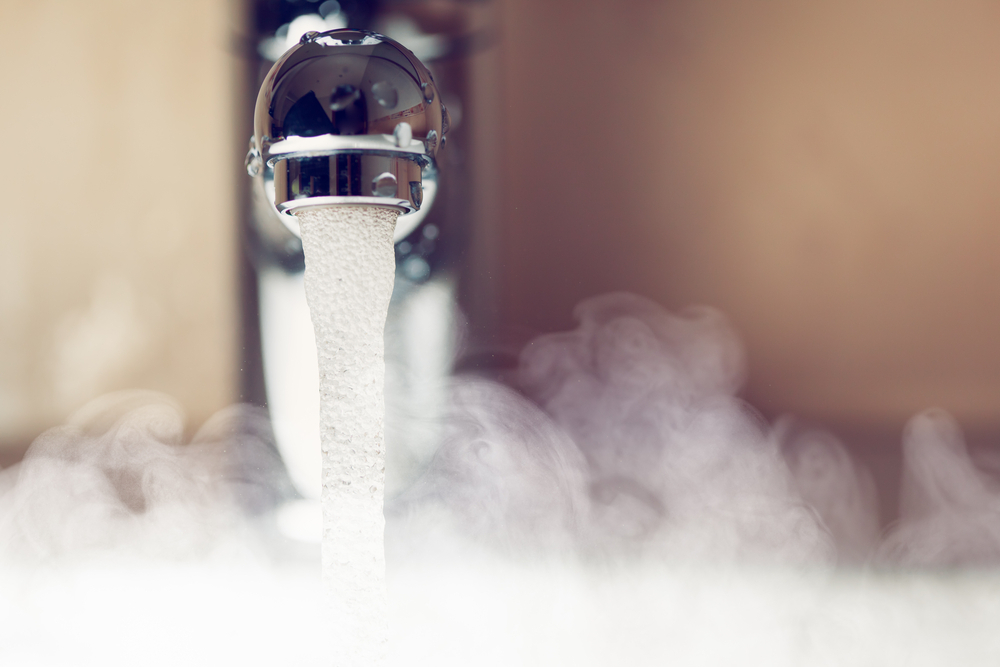
Heating the water will likely produce cloudiness. If you look into a pot of water on the stove, you’ll see it cloud over from the bubbles. Depending on how hot you have your hot water heater set, it could produce the same effect from your faucet.

The Rare Winter Effect

It’s not common, but water on the verge of freezing can cause cloudiness. There aren’t many freezing days in Plano, but it does happen. If you look at the cloudiness in a piece of ice, you can see the effect cold has on water. Cloudiness in cold water may be a sign of something serious or that you need to insulate your pipes better.

Outside Sources

You may not have cloudy water, but instead, it may look tinted or even muddy. If your municipality is doing work to the outside pipes, there is a chance you may get some ugly-looking water, but it shouldn’t last for more than a couple of hours. 

If you notice irregularities after heavy rain, then there may be something wrong with your pipes, and you should call a professional plumber immediately.

How to Determine if Your Cloudy Water Is a Concern

Cloudy water could be nothing, but it could also be serious. Luckily, there is a simple method to determine whether your cloudy water is a concern.

  1. Get a see-through container. This container can be a glass, bowl, or Mason jar.
  2. Turn on your water till it’s hot.
  3. Fill the container to at least three-quarters of the way full.
  4. Set the container on a flat surface and watch it.

Air is lighter than water and will rise to the top. If the cloudiness is primarily air, you will notice the bottom of the container clears, and the rest of the container will be void of cloudiness within a couple of minutes.

Sediment is heavier than water and will settle to the bottom of the container. With sediment, the top of the container will clear first. It will also take much longer for the container to clear since the hot water makes it difficult for the sediment to reach the bottom.

How You Can Fix Cloudy Water in Your Plano Home

Though it’s easy to blame the water heater, it’s actually the aerator that’s to blame in many cases. One of the simplest ways to find out and possibly even fix the problem is by removing and cleaning the aerator. To do this: 

Remove The Aerator From The Faucet

The aerator should unscrew from the faucet by turning clockwise. You may need to use a wrench if it won’t come off easily using your hands. If you can’t remove it by hand, it’s best to contact a professional plumber, as they can remove it without causing damage. 

Clean The Aerator

After you’ve removed the aerator, give it a thorough visual inspection for any dirt and debris that may be caked onto it. Use a washcloth to remove the loose gunk.

There are small mesh holes inside the aerator where sediment deposits can get lodged. Use a toothpick, paper clip, or small needle to dig them out. If they aren’t coming out easily, or you want to be thorough, soak the aerator in white vinegar overnight to loosen the debris. 

Rinse It Out

Once the aerator is cleaned out, give it a good rinsing before placing it back onto the faucet. Hold the aerator under running water to rinse away any lingering debris that became loosened and may be trapped within it. 

Replace The Aerator

When it’s clean and all ready to go, simply screw the aerator counterclockwise back onto the faucet using your hands to get it as tight as it will go. 

Test The Water

It’s time to see if your efforts paid off. Turn on the hot water and allow it to run for a minute to see if the water is still cloudy. If it is, it means there’s a bigger issue at hand, likely something to do with your hot water heater. A plumbing professional will need to come in and inspect the hot water heater to help diagnose the problem. 

Plano’s Plumbing Experts 

Tired of dealing with cloudy water in your Plano, TX, home? The plumbing specialists at Sirius Plumbing and Air Conditioning are standing by, ready to take your call.

With a “Fixed Right and Left Better Than We Found it Guarantee” and a “100% money-back guarantee on all heating, plumbing, and air conditioning issues, you can trust that the job will be handled right the first time, every time. Contact us today to learn more or to schedule an appointment!

Tankless Water Heaters

A Buyer’s Guide: Tankless Water Heaters

By Plumbing and Air Conditioning Dallas TX

There’s no doubt about it; tankless water heaters are becoming more popular in homes every day. Running out of hot water will never be a problem with a compact, ultra-efficient tankless water heater that heats water as you need it.

With as many benefits as they come with, tankless water heaters can be a significant investment, so it’s important to be informed before you buy.

How Do Tankless Water Heaters Work?

Tankless water heaters use an electric element or gas burner to warm the water as it travels through the unit. This design means that the heater is only heating the water that you are signaling you need through your faucets and showerheads.

Unlike traditional water heaters, the hot water is not stored in the tank, so there is far less waste and no risk of running out of hot water.

The Pros and Cons of Tankless Water Heaters

Tankless water heaters offer lots of benefits to homeowners in Carrollton, like energy efficiency and an unlimited hot water supply. However, they do come with some downsides, including upfront costs and sensitivity.

Pro: Space

Tankless water heaters are significantly smaller than traditional water heaters. They are compact and can fit in more spaces in your home, like in the attic. With conventional water heaters, the tank size can be a real problem and can leave you with only a couple of location options. This problem is solved with tankless water heaters.

Pro: Instant Hot Water

If you’ve used a traditional water heater, you know that it can take a while for the water to get warm. With a tankless water heater, once the cold water is flushed from the pipes, you’ll get hot water almost instantly. Not only does this save you time, but it saves a significant amount of water.

Pro: Lifespan

A major advantage of tankless units is their lifespan. The average tankless water heater will last 20 years. Compare this to a high-quality traditional water heater which only lasts about 10.

While it can be tempting to save costs upfront by installing a traditional heater, you should seriously consider the long-term savings that come with the long lifespan of a tankless heater.

Pro: Energy Efficiency

Old water heaters are not known for efficiency. In fact, they can be downright wasteful.

Traditional heaters fill up a large tank with water then use energy 24/7 to make sure you have hot water on demand. Because tankless water heaters heat on demand, they are as much as 25% more efficient than standard models. Not only is the energy efficiency more environmentally friendly, but it will result in savings in your monthly energy bill. 

Pro: Safety

If a traditional water heater leaks, it will spill gallons of water which can easily flood a basement. Tankless water heaters are less prone to leaks, and there is far less water when they do happen.

Additionally, tankless water heaters are installed with the air supply and exhaust vents sealed. This approach means that carbon monoxide can’t leak into your house, a safety feature that you won’t have with traditional water heaters.

Pro: Easy to Winterize

If you are the owner of a vacation home in the Carrollton area, a tankless water heater can offer significant convenience when it comes to winterizing your home. It takes a big-time investment to drain a traditional water heater before locking up for the winter. With a tankless water heater, you can drain it in just a few seconds, then unplug it. 

Con: Trouble Keeping Up

Tankless water heaters can supply an unlimited stream of hot water to a faucet, but they may have trouble keeping up with multiple hot water demands at once. For example, if someone in the home is running the dishwasher while another is taking a shower, a tankless water heater may have trouble keeping up.

Compare this with a traditional water heater that can store up to 80 gallons of hot water at once and easily provide hot water to multiple outlets.

Con: Ongoing Maintenance

While any water heating system will require maintenance, tankless water heaters often require slightly more maintenance than a traditional hot water system. To keep the manufacturer warranty valid, homeowners should perform annual maintenance and, in some cases, may be required to install a water softener.

It is also a good idea for owners to flush out their systems every year. Flushing the system prevents mineral build-up in the water line or the heater itself. There are costs associated with this maintenance, so it is something to factor into your overall budget. 

Con: Higher Upfront Cost

No matter what water heating system you choose, the installation process can be a significant investment in your home. Tankless water heaters are almost always more expensive than traditional systems.

Additionally, the labor required to install tankless water heaters is also higher than for traditional systems. While the energy savings and longer lifespan usually offset these costs, the upfront expense is certainly something to consider. 

Con: Inconsistent Temperatures

Even though traditional water heaters are inefficient, they are consistent. You can expect the same temperature every time you adjust your faucet to the same setting. Tankless water heaters have historically not had the same performance when it comes to consistency.

Consumers have complained about inconsistent water temperatures, which is likely the result of the limitations of sending hot water to multiple locations.

Another thing to be aware of is the tankless water heater may not always come on if enough water isn’t flowing. For example, if the faucet is only slightly open, the tankless water heater may not start heating the water, so the water will never warm up.

Conclusion

Each homeowner’s situation is different, and a tankless water heater may make more sense for some families than others. Before making this investment, make sure you consider all of the factors to make the right decision for you.

If you are ready to move forward with your tankless water heater installation in Carrollton, trust Sirius Plumbing and Air Conditioning. We have over two decades of experience in the industry, and we treat our customers like family. Contact us today.

How to Prevent Rust on Your Water Heater

How to Prevent Rust on Your Water Heater

By Plumbing and Air Conditioning Dallas TX

A rusty water heater can equal major problems for your home. Rusty heaters are more prone to leaks, and no one wants to take a shower with rusty water coming from the showerhead. Fortunately, there are many ways to prevent rust on your water heater.

For ideas on better maintaining your water heater, this article will look at five tips to help you keep rust at bay.

Inspect the Anode Rod

One of the most important water heater services that a professional can provide for you is an annual inspection of your anode rod. This rod is located inside the water tank, away from view for the average homeowner. This important component is responsible for drawing out all of the sediment and minerals in the water.

Of course, these particles still affect your water heater. They will eventually erode the anode rod instead of your tank. As the anode rod begins to deteriorate, these other particles are more likely to cause corrosion to the inside lining of your water heater.

Annually inspecting this piece ensures that it is in proper working order. It may even need to be replaced yearly, depending on the water quality in your home.

Flushing the Tank

No matter what type of water you have, chances are that some of it will be filled with sediment. As these particles enter the water heater, they will eventually settle on the bottom of the tank. Sediment combined with water is likely to lead to rust on the inside of your heater.

Wellwater or other sources of hard water can cause this issue to occur much faster. This type of water often contains iron, leading to rusty standing water at the bottom of the tank. If left untreated for too long, it will compromise the entire water heater.

 You will need to flush this sediment out regularly. It is recommended to call professionals at least once a year for this water heater service in Frisco. If you have many people in the home, you may even want to do this twice a year or quarterly.

Eliminate Standing Water

Most homeowners already know that standing water is a major issue for almost any appliance. Even though your water heater handles hundreds of gallons daily, standing water can still spell trouble. A unit that has been exposed to any type of standing water must be inspected regularly for corrosion.

While many of the top tips for maintenance and water heater repair relate to the inside of the unit, standing water spells problems for the unit’s exterior. Rust on the outside of the heater is a sure sign that it may be time to look into a newer model.

Be Mindful of Location for Water Heater Service

Where is your water heater located? You should always be mindful of the location of your unit and the role that it can play in developing rust. Some areas of the home, including the basement, will be more prone to moisture than others. In turn, this can lead to premature rusting all around the unit.

If your unit is located in an area with high moisture levels, you should always opt for regular professional water heater maintenance. You should have someone come out and inspect it for potential damages at least once a year.

New Water Heater Installation

A rusty water heater is a potential hazard for your home. As the metal begins to rust and break down, all parts of the heater get significantly weaker. They are more prone to develop leaks and cracks that can cause serious damage to your home.

When you notice rust or rusty water starts coming from your faucets, it may be time to consider replacing your unit. Most water heaters will last anywhere from 6 to 13 years. If your heater is older than this, it may be time to talk to the professionals about a new water heater installation instead of a major repair.

Here are a few signs that it may be time to replace your water heater:

  • Old age (typically above the ten-year mark)
  • Strange noises like banging or rumbling
  • Rusty water
  • Insufficient hot water
  • Standing water around the water heater

If you are paying careful attention, you should quickly spot the signs of something wrong with your water heater.

A new water heater installation can be a great way to lower your monthly bills, as modern units can be far more energy-efficient.

Rusty Water Heaters and Professional Help

Make sure to give the professionals a call to see what they recommend for your specific unit. They might repair it with an anode rod replacement, or you may need a whole new heater. If you need water heater maintenance or repair, Sirius Plumbing and Air Conditioning in Frisco can help. Contact us today to schedule your service!

Replacing Old Furnace

Should I Replace My 20-Year-Old Furnace?

By Plumbing and Air Conditioning Dallas TX

The typical furnace can last decades before needing replacement, and the better condition it’s in, the longer you can safely use it. However, once it reaches the 20-year mark, you may start to be concerned about whether it will last another winter. 

Furnaces 20 years old or older become increasingly inefficient over time and can crack and leak, putting you and your family in danger. If your furnace is between 16 and 20 years old and constantly breaking down, then you should strongly consider having it replaced. 

In this article, we’ll walk you through why you should consider replacing your 20-year-old furnace and how to do so. Read on to learn more.

Why Consider Replacing Your 20-Year-Old Furnace?

A furnace is a heating appliance that uses hot air rather than heated water to warm your home. The most common types are electric, propane, oil, and natural gas. Like any appliance, when a furnace ages, it will sustain more wear and tear and require repair more often. 

The general life expectancy for a furnace is between 16 and 20 years. When it reaches this age, there’s a high chance that it will become less and less efficient and eventually stop working altogether. 

Before this happens, we recommend having it replaced by a reputable HVAC company. A few reasons why you should replace your 20-year-old furnace include: 

Avoiding Unexpected Costs

The older your furnace is, the higher the likelihood of it breaking down. To avoid the cost of repairs or furnace replacement when you least expect it, you should be proactive and consider replacing it as soon as possible. 

While dealing with a broken furnace in the middle of a cold winter night in Frisco is not the best time to make sound decisions about your heating needs. By being proactive, you can take your time to make the best choices for your home, saving you time and money in the long run.

Increasing Indoor Air Quality 

Old furnaces have a much harder time filtering the air in your home. This difficulty can cause them to collect and circulate contaminants throughout the house, polluting the air in the process. 

Malfunctioning furnaces can also increase the moisture content in the air and provide the perfect conditions for mold to grow. These air pollutants drastically reduce your home’s air quality, aggravating existing medical issues and reducing your quality of life.

When you switch out your old furnace for a new one, you’ll immediately feel the effects of the cleaner air. 

Saving on Monthly Energy Bills

The fact is older furnaces do not perform nearly as well as newer ones. When your furnace has reached the 20-year mark, it will begin to use much more energy to deliver the same amount of heat in your home. 

As a result, your energy bills will skyrocket, even though you haven’t changed the thermostat setting. Investing in a new furnace will decrease your energy bills by increasing your home’s energy efficiency and reducing your carbon footprint.

Keeping Your Family Safe

Older furnaces can develop cracks in the heat exchanger. When this happens, you run the risk of having a carbon monoxide leak into your home. Since carbon monoxide is a colorless and odorless gas, it can go undetected, posing potentially fatal hazards to your family. 

Keeping an old furnace around is never worth risking your or your family’s health. A Frisco HVAC company can help you safely replace your old furnace.

How to Replace Your Old Furnace

When you’re ready to trade in your old furnace for a new, more improved model, you should partner with an experienced HVAC company. Not only is installing a new furnace a complicated task, but it can also be incredibly dangerous if you don’t know what you’re doing. 

An experienced HVAC company can offer you comprehensive furnace repair and replacement services. Furnace replacement involves:

  • Carefully removing the old appliance 
  • Discarding the old parts
  • Installing a new furnace  

When you hire an HVAC company for your replacement, you can get much-needed help locating the best options for your home. You’ll get access to individuals who are experienced in heating and cooling to help you make informed decisions about your heating needs. 

Furnace Services in Frisco, Texas

At Sirius Plumbing and Air Conditioning, we have decades of experience offering unbeatable HVAC services to communities in the Dallas-Fort Worth metroplex. 

Our Frisco clients trust us because we don’t compromise on the quality of our work. You can expect high-quality gas furnace replacement and oil furnace replacement services, on-time work, and friendly staff when you hire us. 

We’ll make your furnace installation a breeze by talking over the process and ensuring that you’re in the know every step of the way. Kick your old furnace to the curb and schedule a new installation today.

Richardson Heating Services

What Is “Short-Cycling”?

By Plumbing and Air Conditioning Dallas TX

In an ideal world, you don’t need to think that heavily about your furnace. You turn it on when it’s cold out and enjoy a steady flow of warm air throughout the home. But when that balance is disrupted, suddenly all you can think about is your furnace and its many sudden failings.

There are many cases where you need to seek a furnace repair. You know there’s something wrong when the system stops working altogether, but what if it’s barely trodding along no matter how much you prod it? Or what if it’s not working at all? Call Sirius Plumbing and Air Conditioning for a furnace repair today. We’ll tell you why, and we’ll fix it!

What Is Short-Cycling?

Your heating system runs on a cycle, and the average heat cycle lasts around 15 minutes. This is enough time for you to set the unit to your desired temperature and allow the burners to heat enough air to warm your home to your heart’s content. Once your unit reaches the set temperature on your thermostat, the unit will shut off until the level drops, and it needs to warm again. 

But if your furnace can only run for maybe ten minutes or less, that’s what HVAC professionals call “short-cycling.” In that fractured time period, the average furnace cannot fully raise the internal temperature of your home. As a result, things get chilly, and you wind up dissatisfied.

What Causes Short-Cycling?

Before you seek a furnace repair, you may be curious as to what’s causing your heating system to short-cycle. The problem can come from many sources, and it’s best diagnosed by an HVAC professional like the ones at Sirius Plumbing and Air Conditioning. Still, let’s talk about some of the major issues and how a technician can work to resolve them. 

Dirty Filters

This is one of the only causes of short-cycling that you could solve yourself. You should be changing your filter every few months (less often for thicker filters, and more often if you live with pets or allergies). If you don’t prioritize this maintenance task, the filter quickly clogs, and a clogged filter will prevent the flow of return air into the furnace. 

Without return air, your furnace is far more likely to get too hot and shut itself down, resulting in a shorter cycle. You may be able to solve this by changing the filter. If that doesn’t keep your system from overheating, you may want to change your action plan.

Overheating

Much like any other piece of technology, your furnace will shut down if it gets too hot. It does this to prevent the damage that can come from overheating. You may notice a burning smell coming from the vents around your home or strange noises coming from around the furnace when it happens.

Overheating can be due to a dirty filter, but that’s not the only thing causing your heating system to run hot and inconsistent. The dust from your filter may have traveled to the rest of your system’s internal components. If these vital parts get too dirty, it loses its ability to self-ventilate, which will cause it to short-cycle. 

We don’t suggest cleaning your internal components yourself. It’s much more effective to call us for a furnace repair to get things back in working order.

Blocked Heat Grates

These are two more problems resulting in overheating, specifically relating to the heat grates in a larger home.

As with your air conditioner, your furnace sends air through a series of grates scattered around your home. You can control which rooms get heated through the dampers over their grates, but if too many grates are closed, your furnace can’t properly disperse the heat. This will cause the heat to build up in your system and lead to it overheating. 

The best way to keep this from happening is to make sure at least 75% of your grates are kept open. If that’s not enough to keep the heater from shutting off, you may need a more in-depth furnace repair.

What Can You Do?

A furnace repair can help keep a furnace running the way it should. And it’ll work even better when you do it through the right HVAC service provider. At Sirius Plumbing and Air Conditioning, we serve homes in Plano, TX and the surrounding area, solving any problems they may have with plumbing, heating, air conditioning, and more.

We focus on a five-star guarantee with every job we do. Because when you work with Sirius, that’s exactly how we’re going to treat your home’s needs一seriously. And we don’t stop until you’re satisfied with the comfort of your home. So if you’re in an on-again, off-again relationship with your furnace, make things right with Sirius Plumbing and Air Conditioning. We’ll set things right!

Keep It Cool with a Ductless Mini Split System

Keep It Cool in Carrollton with a Ductless Mini Split System

By Plumbing and Air Conditioning Dallas TX

Located in the heart of the greater Dallas-Fort Worth area, Carrollton is known for its vibrant historic district and abundance of natural beauty. With summer temperatures in the mid to high 90s, Carrollton is also known for its hot climate. Months of warm weather leave many residents looking for more efficient ways to cool their homes.

If you have found yourself in the same predicament, Sirius Plumbing and Air Conditioning can help! We have the perfect solution for keeping it cool in Carrollton, a ductless mini-split AC installation.

For years, Sirius Plumbing and Air Conditioning has provided our clients with superior HVAC contracting services. Whether you find yourself searching for an “AC tune-up near me” or need a new air conditioning installation, our team is up to the task.

But enough about us, let’s get back to the problem at hand, cooling your Carrollton residence with a ductless mini-split AC installation. While you may have never even heard of a ductless mini split, they are a great way of saving money and beating the heat. Talk about a win-win!

Read on to find out more about the new innovative solution to an old problem, overcoming the Texas heat.

What Is a Ductless Mini Split?

Often referred to simply as “mini splits,” ductless mini-split air conditioners are unique heating and cooling systems that do not use traditional air ducts. Instead, they pump conditioning air directly into a room.

Ductless mini-split units have two primary components. First, they have an outdoor compressor/condenser installed on a concrete slab, usually near the indoor air handler. Next, there’s the indoor air handler, which is attached to a wall or hung from the ceiling, depending on the style of your home. You can link multiple air handlers to a single outdoor unit. 

Benefits of Ductless Mini Split System

Ductless mini splits have several benefits when compared to traditional air conditioning installations. Sirius Plumbing and Air Conditioning customers typically experience the following perks when switching to a ductless mini split:

Flexible Zoning

Ductless systems are compact and offer superior flexibility over other AC installation options. Homeowners can choose a custom design to meet the unique heating and cooling demands of their homes.

Sirius Plumbing and Air Conditioning has multiple models available, some of which can accommodate up to four indoor units on a single exterior compressor/condenser.

These units allow you to control the temperature in each living space precisely. Each room will have its very own thermostat. That is incredibly convenient if you and your loved ones can never agree on the ideal temperature setting in your Carrollton home.

Easy Installation

Installing or replacing ductwork is incredibly time-consuming. Plus, it can really make a mess of your home. That means that the install team will need to take extra time to clean up after themselves, resulting in a prolonged disruption of your everyday routine.

Ductless mini-split AC installations are incredibly fast and straightforward. Sirius Plumbing and Air Conditioning’s technicians can quickly connect your indoor and outdoor components with a piece of conduit.

While these systems are normally installed close to the wall of your home, we can move them further away to conceal the condenser. That allows you to keep it cool without ruining the curb appeal of your Carrollton home.

Energy Efficient

As if ductless mini splits were not appealing enough already, they are also incredibly energy efficient. Most of the lost power in an air conditioning system occurs when air is transported through ductwork. Since your new system does not have ducts, it will deliver all of that precious cool air right where it belongs.

Save money and sweat less with Sirius Plumbing and Air Conditioning’s ductless mini-split air conditioning installation services.

Noise Reduction

Like many Texans, you have probably tried supplementing your home’s central AC system with window units. While these cumbersome and unsightly machines can help keep a room more comfortable, they are noisy. Plus, running your HVAC system and window units simultaneously will cause your electric bill to skyrocket.

Ductless mini splits are incredibly quiet. They make far less sound than a window unit and do a better job of cooling, as well.

Sirius Plumbing and Air Conditioning only carries the best brands of ductless mini splits. That means that your new units will look sleek and blend in seamlessly with the décor of your home.

Enhances Home Security

Speaking of those pesky window units, they can be a real security hazard. Even a properly installed window unit is wedged in a windowsill. A committed intruder can easily dislodge your window unit and enter your home. They might even make off with the portable AC while they are at it.

Sirius Plumbing and Air Conditioning’s ductless mini splits are incredibly safe and secure. During install, our technicians will only need to make a small (about 3 inches) hole in your wall to feed the conduit through. Our technicians will ensure that the space surrounding the tube is tightly sealed to keep out all pests. Ductless systems do not create any extra opportunities for bad actors to gain access to your home.

Better Indoor Air Quality

In addition to the heat, Carrollton residents also have to endure seasonal spikes in pollen levels. If you or a loved one suffer from allergies, you know just how important it is to maintain good indoor air quality.

While a central HVAC system requires regular professional duct cleaning, mini-splits do not. Ductless mini-splits provide that, too! They offer multi-stage filtration and can dramatically reduce the amount of pollen, allergens, dust, and bacteria in your home’s air supply. That means that you will be able to breathe easier all year long, even during peak allergy season.

Ductless Air Conditioning Installation in Carrollton

Are you ready to keep it cool in Carrollton with a professional ductless mini-split AC installation? If so, then it is time to partner with Sirius Plumbing and Air Conditioning.

We will provide you with a free quote on a ductless mini-split system. Once you choose a setup for your home, we will have your new ACs up and running in no time! Contact the best and get Sirius about your home’s heating and cooling needs.

Essential AC Services

Keep Your Cool with These 5 Essential AC Services

By Plumbing and Air Conditioning Dallas TX

Summer is approaching, which means you’ll soon need to rely on your air conditioner to get you through the heat. And living in Frisco means dealing with some serious heat.

That’s why you need an HVAC services provider that knows how to serve you through every kind of weather, from the sweltering heat to the blistering cold.

At Sirius Plumbing and Air Conditioning, we understand every aspect of air conditioner care. Whether you need your unit fine-tuned or replaced entirely, you get a job done right when you work with us. To prove we know our stuff, here are five AC services you can take advantage of to keep your home cool this summer.

  • AC Tune-Up

You should schedule an air conditioning tune-up annually, preferably when it’s colder out, since you’re less likely to need it. But, of course, that’s not always possible. What matters is that you get frequent maintenance done on your unit, even if it seems to be running perfectly fine.

An AC tune-up will ensure your system is running as efficiently as possible. Our technicians know what needs to be done to maintain an air conditioner unit, and they’ll adjust, tighten, and clean every part of your AC. When they finish, they’ll know the state of your air conditioner inside and out.

At that point, they’ll help you plan what to do next. If your unit doesn’t have any significant issues, you may just need to schedule another appointment for the following year. However, if a technician finds something wrong with your unit, they may suggest an in-depth repair or even a unit replacement.

  • AC Repair

If you tolerate your AC more than you enjoy it, that’s a problem. You shouldn’t have to grit your teeth through weird smells or bothersome noises, especially because signs like these bode poorly for your comfort and wallet.

When your air conditioner unit isn’t running properly, it uses an increasing amount of energy to produce almost no desirable effect. That means your broken unit is likely hiking up your energy bill. In this instance, air conditioning repair will provide cool air for your home, reduce your carbon footprint on the environment, and get your utility bills back to normal.

An AC repair will not only keep your home cool in the summer, but it will also make sure the air circulating through your system is as clean as possible. If you or someone in your household has allergies or other respiratory illnesses, you want to make sure your AC isn’t pushing dust or other harmful particulates through your vents. Your health is just as valuable as your comfort and your home’s climate.

  • AC Installation

If you live in an older home with a traditional AC model, the odds are that your unit is only designed to last for up to 12 years. If you haven’t been able to keep up with regular maintenance, you may have cut that lifespan in half. Is your current system not cooling your home as it should? It may be time to look into an air conditioning installation.

Modern AC units are better all across the board. These robust systems run cleaner and more efficiently than older units, saving you time, money, and trouble. While an older air conditioner has a Seasonal Energy Efficiency Ratio (SEER) of around seven or eight, newer models have a SEER of 13 or more. That has the potential to lower your energy bills by up to 50%.

And if you have an older AC system in Frisco, there’s a pretty good chance that it might contain freon, carbon dioxide, or ammonia. Once the unit starts to break down, these gases run the risk of leaking and damaging your health and the environment.

Our technicians know how to properly dispose of these units to make sure everyone and everything is safe. And what’s cooler than that?

  • Other AC Services

Thermostats don’t have a concrete lifespan, but the average devices experienced a dip in quality after about ten years. After that point, you’ll start to notice signs of malfunction, such as fluctuations in temperature, incorrect readings, or a significant spike in your energy bill.

It’s technically possible to change your thermostat on your own, but it’s best to leave the work to someone with electrical training as it’s an electrical fixture. And when you come to Sirius Plumbing and Air Conditioning for your thermostat replacement, we can guide you through the many options on the market.

If you’re a tech-savvy or tech-forward consumer, there are several smart thermostats available. You can control these AI assistants through any smart device, and you can program them to turn your cooler on before you get home or off as you drift to sleep.

Your thermostat is a valuable tool to keep you cool. And when it’s no longer doing its job, we can get things back in working order.

  • Sirius Comfort Care

Whether your unit is old or cutting edge, it’s invaluable to form a relationship with a provider you can work with to keep your home cool summer after summer. And Sirius Plumbing and Air Conditioning offers a special Home Comfort Care Program for an annual fee of $129 a year.

This program includes two complimentary annual tune-ups—one for your furnace and the other for your air conditioner. With these services, the program already pays for itself. But there’s more to it. Sometimes things break down even when you’ve cared for them the best you can, and that’s why our program offers 10% off all HVAC repairs all year round. And no matter how busy we get, you’re promised VIP service with our Home Comfort Care Program.

When a Frisco heat wave hits your home, you want to have a plan in place to defend yourself. Your system will work for you if you do what’s needed to keep it working. And when you want a provider to bring serious service to your system, Sirius Plumbing and Air Conditioning is your go-to team. We will make sure your system stays just as cool as you are.

Protect Drains and Pipes from Damage

How to Protect Your Frisco Drains and Pipes from Damage

By Plumbing and Air Conditioning Dallas TX

There are many old homes in Dallas-Fort Worth, TX, and they come with all the plumbing problems familiar to homes built long ago: Bad repairs by previous owners, antiquated pipes, and shifting foundations and drains. All of these factors can lead to frequent drain clogging.

Drain clogs are one of those messy, unpleasant home problems that no one wants to handle. Most kitchen sink or dishwasher drain clogs result from foreign objects, grease, or food. For bathroom clogs, the culprit is usually dirt, skin flakes, or hair that binds to soap scum in your pipes. In either instance, clearing these clogs up is an urgent yet unwelcome task. 

Ways to Protect Your Pipes

One of the best ways to avoid clearing a clog is to prevent it in the first place. Consider some of these ways to keep your pipes clear.

Keep the Junk Out

One of the simplest ways to prevent a drain clog is to keep the garbage out of your pipes in the first place. 

Remove as much grease and oil as possible from your dishes before putting them in the sink or dishwasher. Make sure the barbecue plates have been scraped thoroughly of those beef drippings and sauce. Remember scrape grease and large chunks of food into the garbage can, not the sink! 

As for your bathroom drains, practice regular drain cleaning to remove hair and other debris from your drain. That way, the buildup won’t go down the pipe and affect your plumbing.

Hot Water Treatment

Pour boiling water down your pipes periodically to help loosen the buildup of any scum or debris. Then run hot tap water to rinse away whatever debris you loosened. Boiling water can also break up and clear away some minor clogs. 

Drain Covers

If you don’t have drain covers, think about getting them. They can prevent the need for drain cleaning when used properly. You can usually find different cover sizes and styles at any hardware store. Those little wire nets that fit most drains will keep a tremendous amount of hair and other junk out of your plumbing, preventing a severe clog for a minimal investment.

Keep Drain Covers Clean

Once you’ve invested in those drain protectors, make sure you keep them clean. Don’t let gunk build up in the drain covers! Occasionally, you may want to pull the drain covers off the drains and run them through a dishwasher cycle. Washing them will make sure they’re free of any slime, oil, or grease buildup.

Ways to Clear Your Drains

If you haven’t kept up with your drain cleaning or some other drain-related disaster has occurred, you may want to try some of these standard drain cleaning remedies before calling the professionals.

Remove a Visible Clog

If you can see the debris causing the clog, try to remove it by hand. Put on rubber gloves, then use tweezers or a wire coat hanger so that you’re not directly touching whatever gunky mess there is. Both of these utensils make excellent clog removal tools.

Baking Soda and Vinegar

One of the simplest methods of drain cleaning involves standard household supplies. Mix one cup of baking soda and one cup of vinegar. Pour that mixture down the drain and let it sit for at least three hours. Next, pour boiling water down the drain. You can repeat this several times if necessary. 

Some people pour the baking soda down the drain, followed by a cup of table salt and a cup of white vinegar. If you choose this technique, let the mixture sit for ten minutes, then flush the drain with boiling water.

Drain Snake

If you have a drain snake (also known as a plumber’s snake), you can run it down the drain to break up or displace the clog. Drain snakes are great for drain cleaning, and they come as reusable or disposable. If yours is reusable, make sure to wash it after the job is done.

Plungers

Plungers work on any drain where you can create suction. They may be a challenge to use if your drain has an overflow valve (also known as a relief valve) because this device will prevent you from generating suction. Still, plungers are a valuable tool if you can cover the drain and get the power you need to pull out or push forward the clog.

Boiling Water

Sometimes, the most straightforward drain cleaning remedy is the best. Try pouring boiling water down your clogged drain. If the clog results from grease or soap scum, the water may well melt through it. You can repeat this strategy as many times as necessary.

Commercial Drain Cleaners

Chemical caustic or acidic drain cleaners may work well on your clog, but they have many downsides. These drain cleaning agents can damage your pipes, and if misused, can cause gusher-like backup and chemical burns or blisters on your bathroom fixtures. 

Drain cleaners also put poisonous chemicals into the water supply and can create toxic fumes in their efforts to de-clog your drain.

Enzymatic Drain Cleaners

Today, there are also enzymatic drain cleaners that consist of bacteria used to feed on your clogs. You can use these cleaners periodically as a preventative measure as well as a cleanser. Monthly treatment with this type of product can keep your drains running clean. 

Clean the Drain Trap

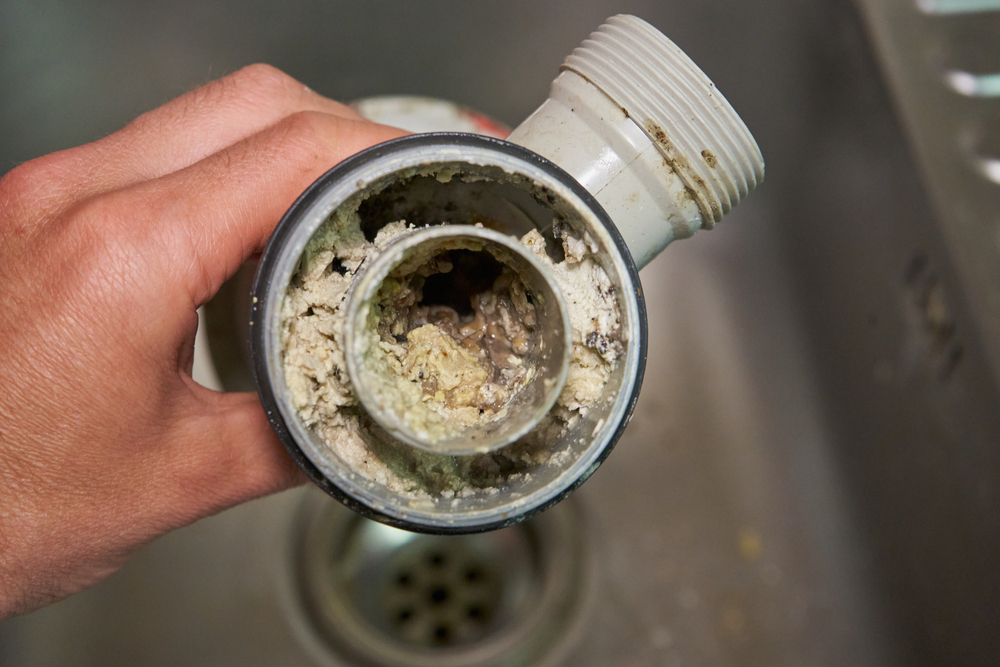
If you’re confident and somewhat skilled, you can remove the U-shaped portion of your pipe (also known as a P-trap) at the bottom of your drain and clean it out. Most plumbers recommend you leave this task to the professionals, as an error can cost you money in repairs. 

Bring in the Experts

Sometimes, no matter how hard you work to keep your drains clean or how hard you’ve tried to clear a problem on your own, you are still stuck with a stubbornly clogged drain. In that case, you’ll wonder, “how do I  find someone to do a plumbing repair near me?” That’s when you should call a skilled plumbing professional who can diagnose your clog and use the appropriate tools to fix it promptly, safely, and expertly.

At Sirius Plumbing and Air Conditioning, we’re just those professionals! Give us a call if you need assistance with drain cleaning or de-clogging.

Common Ways to Spot a Slab Leak

Common Ways to Spot a Slab Leak in Plano

By Plumbing and Air Conditioning Dallas TX

Slab leaks are particularly troubling. They can often go undetected until they have caused a significant amount of damage. Fortunately, there are steps you can take to catch these leaks before they go too far. Keep reading to learn the signs that it is time to schedule slab leak repair for your Plano home.

What Is a Slab Leak?

The word slab refers to a flat, concrete foundation found under some homes. If your home has a slab foundation, water and sewer lines may lie just below the concrete. If those pipes rupture, you have a slab leak.

What Causes Slab Leaks

Several things can cause slab leaks. These include the following:

  • Pipe corrosion
  • Friction from concrete or rebar
  • Pressure resulting from ground settling or shifting

Remember that soil weight and density can vary from place to place in Plano. Pipes that last for decades in one area may crack under the pressure of surrounding dirt in others, leading to an urgent need for slab leak repair.

How Urgent Is Slab Leak Repair?

If you, or your plumber, notice a slab leak, you must immediately take action. The potential for damage is significant. You should also assume that the leak occurred for at least some time before you found it.

Slab leaks can lead to the following home-related problems:

  • Mold
  • Electrical system damage
  • Rotting floor joists
  • Soil erosion

Without early detection and slab leak repair, you could be dealing with significant damage.

How Do Plumbers Detect Slab Leaks in Plano Homes?

Today, there are all kinds of helpful technologies to help plumbers see—and sometimes even hear—leaks below your slab foundation. Your plumber might use helium detection, ultrasonic detection, infrared technology, or sonar to discover a leak.

It’s great that these technologies are available. Unfortunately, they are often not deployed until it’s clear that something is wrong.

Signs of Slab Leaks for Homeowners

Fortunately, there are measures that homeowners can take to detect the need for slab leak repair. Remember that the sooner you can catch a leak, the better. Chances are, you will have to invest less money in repairing the leak and dealing with any residual damage.

Here are some signs that you are dealing with a slab leak:

  • Unexplained wet spots on the ground around your home
  • Warm places on your floor
  • Excess moisture, especially in your basement
  • Mold or mildew

If you notice any of these things, contact a licensed plumber in Plano. They will come out to assess the situation for you. Then, they will recommend the best process for slab leak repair. Remember that it’s always helpful to take regular walks around your property to see if anything seems off. You never know what problem you might catch early.

Can Slab Leaks Be Prevented?

There is no slab leak prevention method that’s 100% effective. Still, there are things you can do that can reduce your risk of a slab leak.

First, keep in mind that you can best avoid slab leak repair if your home was properly constructed and maintains good structural integrity. If you are lucky enough to be involved in the construction of your home, insist that a reputable company in Plano handles the plumbing. They will assess the ground and other factors to determine the materials and processes that will best assure that no pipes rupture in the future.

As a homeowner, there are other precautions you can take. First, avoid using chemical drain cleaners. They are harsh and caustic, and they can cause damage to sewer pipes. They’re also largely ineffective. Another way to prevent slab leaks is to avoid using high water pressure. Finally, buildup from hard water can cause issues with your pipes. Consider a solution to mitigate that before damage occurs.

What to Expect From Slab Leak Repair

If your home does have a slab leak, you may be pretty worried—and reasonably so. Any issue relating to your home’s foundation is always concerning. Fortunately, qualified plumbing services can help you with slab leak repair.

Remember that every situation is different, but below, we’ve listed some of what you can expect during the slab leak repair process.

Slab Leak Detection

Your plumber will come to your home and listen carefully as you describe the symptoms you’ve noticed. They will have specialized equipment, as mentioned above, that will allow them to determine that there is a leak. This equipment will help them pinpoint the leak’s exact location. When they have finished looking, your plumber will know exactly where the leak is and have some suggestions for repairing it.

Assessment and Advice

Before they do anything, your plumber will need your consent. They will explain what they found, provide you with all of your possible options, and give you a price estimate. At this point, it’s up to you to decide what you want to do.

Slab Leak Repair

There are a few ways to repair a slab leak. If it is a single leaking pipe, your plumber may recommend repairing it. However, if your pipes are old or have other issues, repair may not be the best idea. Repairing a leak may work for a while, but a new leak is likely to crop up.

Your second option is to have your plumber reroute the plumbing to bypass the ruptured pipes. They will essentially add new sewer or water pipes that will go around the broken ones. Your plumber will cap off the broken one to prevent any water or sewage from flowing through them.

Finally, if there is significant damage or the pipes are in poor condition, replacement is the only real option. Your plumber will remove the existing pipes and replace them with newer lines made of modern materials.

Where to Find Plumbing Repair Near Me

If you need help with a slab leak, Sirius Plumbing and Air Conditioning can help! We are your source in Plano for all types of plumbing repair. Contact us, and we will send a qualified plumber right away.

Sign up to receive our email newsletter tips and discounts.